Throughout the centuries, human beings have built incredible societies, each rising, flourishing, and leaving behind footprints that still echo through our lives today. From the banks of ancient rivers to the highlands of empires long gone, civilizations have served as the heartbeat of history—crafting cultures, founding religions, shaping laws, and building wonders. In this article, we take a walk through the great civilizations of the world, not just as a history lesson, but as a journey through human ambition, creativity, and resilience.
1. Mesopotamia – Where Civilization Was Born
Often called the “Cradle of Civilization,” Mesopotamia was where it all began. Nestled between the Tigris and Euphrates rivers, this region saw the rise of the Sumerians, Babylonians, and Assyrians as early as 3500 BCE. They were the first to develop writing—cuneiform—along with complex cities and legal systems. The Code of Hammurabi, one of the earliest recorded laws, came from here. Mesopotamia gave the world the earliest glimpses of urban life, astronomy, and government.
2. Egypt – The Land of the Pharaohs
Egypt’s civilization grew along the life-giving Nile River. With its grand pyramids, mystical gods, and powerful pharaohs, Ancient Egypt mesmerizes the world even today. Their deep belief in the afterlife led to complex rituals and architectural wonders like the Great Pyramid of Giza. Beyond monuments, Egyptians pioneered medical practices, mathematics, and a calendar that guided agriculture and daily life.
3. The Indus Valley – The Forgotten Giants
Largely peaceful and technologically ahead of their time, the Indus Valley Civilization thrived in what is now Pakistan and northwest India around 2600 BCE. Cities like Harappa and Mohenjo-daro were masterfully planned, with advanced drainage, sewage, and housing systems. Although their script remains undeciphered, their sophistication speaks volumes about a civilization that emphasized order, cleanliness, and trade.
4. China – A Civilization That Never Slept
With over 4,000 years of continuous history, China stands as one of the most enduring civilizations. From the mythic Xia dynasty to the powerful Han and Tang, Chinese society was built on philosophy, agriculture, and innovation. They gave the world paper, printing, the compass, and gunpowder. Confucianism shaped social values, while dynastic cycles brought both order and upheaval. Through all, China evolved but never lost its soul.
5. Greece – Where Philosophy Took Root
Ancient Greece was small in land but vast in influence. Between 800 and 146 BCE, city-states like Athens and Sparta redefined politics, warfare, and thought. Athens introduced the world to democracy, and philosophers like Socrates, Plato, and Aristotle laid the groundwork for Western philosophy. Greek dramas, sculptures, and architecture still captivate minds today, and their ideas continue to shape how we think about ethics, beauty, and knowledge.
6. Rome – The Builders of Empire
Rome began as a kingdom, became a republic, and grew into one of the greatest empires in history. At its height, the Roman Empire stretched across Europe, North Africa, and parts of Asia. Romans excelled at engineering, law, and governance. They built roads, aqueducts, and cities that stood the test of time. Even after Rome fell, its legacy lived on through Christianity, the Latin language, and the legal systems that many nations still follow today.
7. The Islamic World – A Golden Age of Wisdom
After the rise of Islam in the 7th century, a vibrant and diverse Islamic civilization emerged. From Cordoba in Spain to Baghdad in Iraq, the Islamic world became a center of learning and discovery. Scholars preserved Greek texts, advanced algebra, and made breakthroughs in medicine, astronomy, and architecture. This was not just a religious empire—it was a cultural force that bridged East and West, knowledge and faith.
8. Africa – Kingdoms of Power and Pride
Africa is often overlooked in history books, but its civilizations were rich and complex. In West Africa, empires like Mali and Songhai grew wealthy through trade in gold and salt. Timbuktu became a beacon of scholarship. In the east, the Aksumite Empire (Ethiopia) had its own script and traded with Rome and India. Further south, Great Zimbabwe showcased remarkable stone architecture. African civilizations were never isolated—they were connected, creative, and influential.
9. The Americas – Civilizations Before Columbus
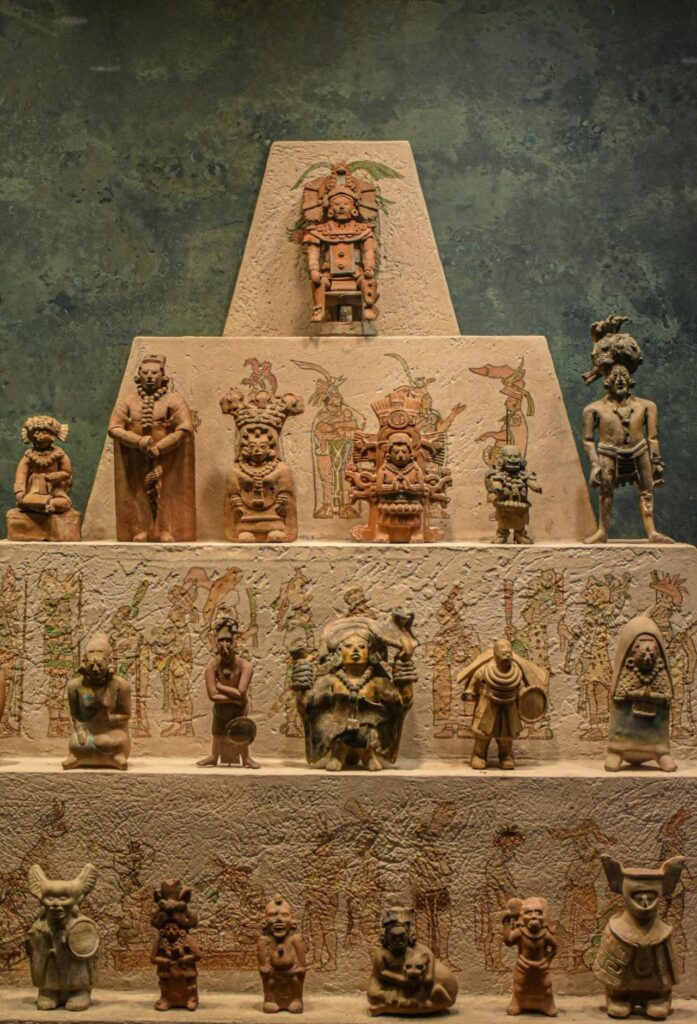
Before Europeans set foot in the Americas, indigenous civilizations were already building incredible societies. The Maya developed complex mathematics and calendars. The Aztecs created a mighty empire centered on Tenochtitlán, a city of canals and temples. The Inca, with no written language, managed vast lands using intricate roads and quipu (knot systems for record-keeping). These civilizations had their own gods, cultures, and innovations—proof that human greatness isn’t bound by geography.
10. Europe’s Middle Ages and the Renaissance
After the fall of Rome, Europe entered the so-called “Dark Ages,” dominated by feudalism and the Church. But it wasn’t all darkness. Cathedrals rose, universities opened, and trade revived. Then came the Renaissance—a rebirth of art, science, and curiosity. Thinkers like Leonardo da Vinci, Michelangelo, and Galileo broke boundaries and changed how people saw the world. The printing press spread knowledge far and wide, sparking revolutions that shaped the modern age.
11. Modern Civilization – From Industry to the Internet
The last few centuries have seen massive shifts. The Industrial Revolution transformed cities, economies, and daily life. Enlightenment thinkers challenged kings and churches, giving rise to democracy and individual rights. Colonization connected (and often exploited) distant lands. In the 20th century, science exploded—from flight to nuclear power, from computers to space travel. Now, in the digital age, we live in a globally connected world, shaped by both promise and peril.
12. A Global Civilization – Humanity’s Shared Story
Today, humanity is more connected than ever. While we still honor our roots and cultures, we share global challenges—climate change, inequality, pandemics—and dreams like peace, discovery, and progress. Our civilizations may be diverse, but our future is shared. Learning from the past helps us face the future together, with understanding and hope.
Final Thoughts
The story of civilization is really the story of us. Every temple built, every idea written down, every battle fought, and every peace treaty signed tells a part of who we are. Civilizations rise and fall, but their legacies remain, reminding us of what’s possible when humans come together with vision, courage, and compassion.